
Hennepin County
Hoarding and biohazard cleanup in Minnetonka, Minnesota.
Discreet cleanup in Minnetonka, whether the house is staying in the family or headed for a teardown. Hoarding cleanup first, biohazard and after-death care alongside it. Unmarked vehicles, no judgment. Call us.
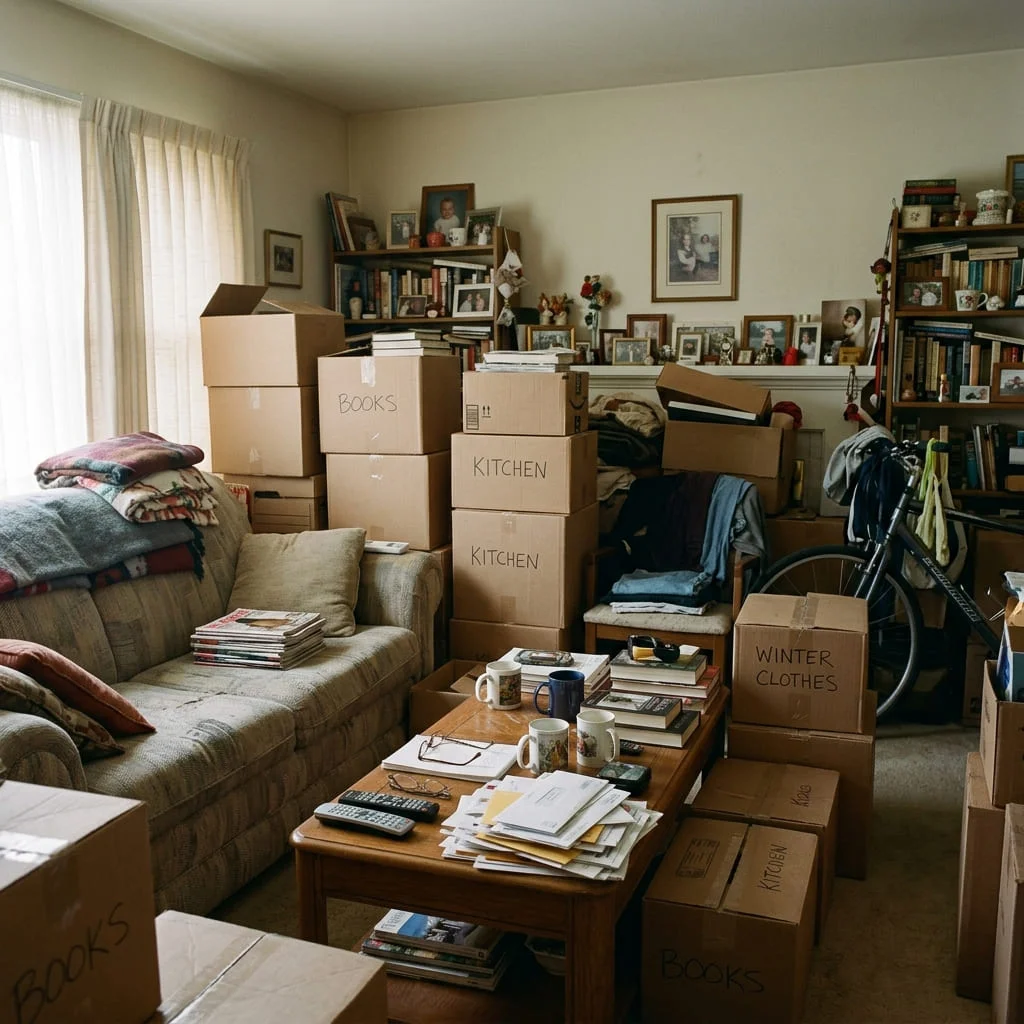
Minnetonka is one of the Twin Cities' oldest and most built-out western suburbs, and it is also one of the region's most established teardown markets — original nineteen-forties-to-sixties lake-area cottages and ramblers on desirable lots are routinely purchased, cleared out, and replaced with much larger new construction. Biohazard Cleanup MN covers Minnetonka as part of our regular service area, with hoarding cleanup first and gross filth remediation, odor removal, estate clearing, and after-death care alongside it.
That teardown reality changes a real share of Minnetonka calls. Sometimes a family is clearing a house that will not exist in six months regardless of what happens inside it, and that changes what actually matters during the cleanup — and what doesn't.
Services in Minnetonka
Hoarding cleanup leads — the rest follows as needed.
Hoarding and squalor account for most Minnetonka calls, whether the house is staying in the family or being sold for its lot. Where a death, an active biohazard, or a full estate clearance is part of it, the same visit covers all of it.
- Hoarding Cleanup Flagship Compassionate, judgment-free clearing of hoarded homes — one room at a time. View details
- Unattended Death Cleanup Careful, discreet cleanup after a death that went undiscovered. View details
- Crime Scene Cleanup Thorough biohazard cleanup and restoration after a crime. View details
- Blood & Bodily Fluid Cleanup Proper decontamination of blood and bodily-fluid spills. View details
- Suicide Cleanup Gentle, private cleanup so families never have to face the scene. View details
- Gross Filth & Squalor Cleaning Deep cleaning and sanitizing of severely neglected living spaces. View details
- Estate Cleanouts Full property clearing when a home also needs biohazard care. View details
Headed for a teardown or staying in the family: what changes
What changes is rarely how much needs to come out of the house — it
is what the cleanup is actually for. A property being sold for
teardown value and a property the family plans to keep can hold a
similar amount of belongings and still need very different
priorities, because one has a structure worth protecting and the
other does not.
None of this is a judgment on either path. It is simply what the
first call needs to establish before a plan gets built.
| What it is | What it means for the job |
|---|---|
| What matters most | Where a house is being sold to be torn down and rebuilt, the priority is finding and setting aside keepsakes, documents, and anything of value quickly, since the structure itself will not survive regardless of how it is cleaned. Where the house is staying in the family, the priority shifts to properly decontaminating surfaces and materials, because someone is going to keep living in that space. |
| Hazardous materials | A demolition permit does not cover biohazard or hazardous material removal, so anything of that kind still has to be identified and taken out before a demo crew arrives — that step does not go away just because the house is coming down. Where the house is staying, that same identification is paired with remediating whatever is left behind rather than simply removing it. |
| Timeline pressure | A teardown sale is usually tied to a closing date or a demolition permit, so the work moves on somebody else’s schedule. A house that is staying in the family moves at the pace the household actually needs, without an external deadline forcing the timeline. |
| What era of house is usually involved | The teardown market in Minnetonka tends to involve older nineteen-forties-to-sixties lake-area cottages and ramblers on a small or partial basement, built back when the lots themselves were the main value. Homes that are staying are just as often later-built two-storeys and executive homes from the nineteen-eighties onward, with a full basement and considerably more square footage. |
| Who is actually deciding | On a teardown, the decisions are often being made by a builder or a buyer working through the seller’s agent, sometimes alongside an estate. On a house that is staying, the homeowner or the family themselves are the ones deciding what happens and when. |
Teardown or not, the same people answer the phone and the same care goes into finding what matters before anything else happens. Tell us which situation applies and the visit gets planned around it.
Call (612) 493-2982Why disclosure still matters even in a teardown sale
Disclosure still matters even when a buyer intends to demolish the
house, because Minnesota's seller disclosure obligations attach to
the sale itself, not to what happens to the structure afterward. Our
Long Lake page covers the
seller's side of disclosure in more depth, and the same reasoning
applies here regardless of the property's eventual fate.
What hoarding
cleanup costs in Minnesota is worth reading before a closing date
gets set, since the cleanup timeline and the sale timeline usually
need to be coordinated together.
What a Minnetonka cleanup involves
A Minnetonka cleanup involves sorting first, then cleaning, then
verification, in that order and at whatever pace the household or the
transaction allows. Documents, photographs, keepsakes, medications,
cash, and anything of value are set aside for the family or the
estate rather than cleared into a load, and anything ambiguous is
photographed and asked about rather than guessed at.
Then, where the house is staying, the surfaces underneath are cleaned
and decontaminated, affected materials are removed rather than
sealed over, and odor is neutralized at its source. Many cleanups of
this kind are covered in whole or in part by homeowner's insurance
depending on the cause and the policy. See
hoarding cleanup for the
method in full,
estate cleanouts where a
property has to be cleared entirely, and
unattended death
cleanup where someone has passed away at home. To talk it
through, call (612) 493-2982 any
time.
Coverage & response
Serving Minnetonka, Wayzata, and western Hennepin County.
Response time
Call for availability. If the situation involves a death, an active biohazard, or a blocked exit, say so at the start of the call.
Who calls us here
Executors and families ahead of a teardown sale, real estate agents and builders coordinating a closing, adult children arranging help for a parent, and homeowners planning to stay who are calling for themselves.
Nearby communities
We cover all of Hennepin County and the six other metro counties. The nearest communities with their own pages are linked here.
Wayzata, MNExcelsior, MNHopkins, MN All Hennepin County & metro areas
Frequently asked
Minnetonka questions, answered honestly.
The house is being torn down after we sell it. Does the cleanup even matter?
Yes, for reasons that have nothing to do with the structure itself. Photographs, documents, jewelry, and anything of sentimental or financial value still need to be found and set aside before anyone else walks through the house, and any hazardous or biohazard material still has to come out before a demolition crew is allowed on site. Skipping the cleanup because the house is coming down usually just means losing things that mattered, faster and with less care.
How does a hoarding cleanup work around a demolition timeline?
It runs backward from whatever date is fixed — the closing, the demolition permit, or both — rather than at the household's own pace. That usually means less flexibility on scheduling but a clear endpoint, and it is worth mentioning the deadline on the first call so the plan accounts for it from the start. Call (612) 493-2982 with the date in hand and the visit gets built around it.
Does hoarding really happen in the bigger, newer Minnetonka houses too?
Yes, and a larger executive-style home can actually take longer to become visible to anyone outside the household. More square footage and more rooms mean more places for belongings to accumulate before the situation reaches a space a visitor would see — a front hall, a kitchen, a main living area. Size does not prevent it; it just changes the timeline before someone else notices.
Will homeowner’s insurance help pay for this?
Sometimes, in part, and it depends on cause rather than whether the house is staying or being sold. A cleanup tied to a specific covered event — a death in the home, a sudden water loss — is often covered at least partly. Gradual accumulation over years is more commonly treated as maintenance, and a property being sold for teardown value rarely changes that analysis. Read the declarations page and ask the carrier directly; our guide on who pays for cleanup covers the usual routes, and for a straight answer, call (612) 493-2982.
Staying or selling, what matters gets found first.
Describe the property and we will tell you what is involved, what it is likely to cost, and how soon we can be there.