
Hennepin County
Hoarding and biohazard cleanup in Hopkins, Minnesota.
Discreet cleanup for Hopkins houses, apartments, and rental units — hoarding, gross filth, odor removal, estate clearing, and after-death care. Unmarked vehicles. Call us.
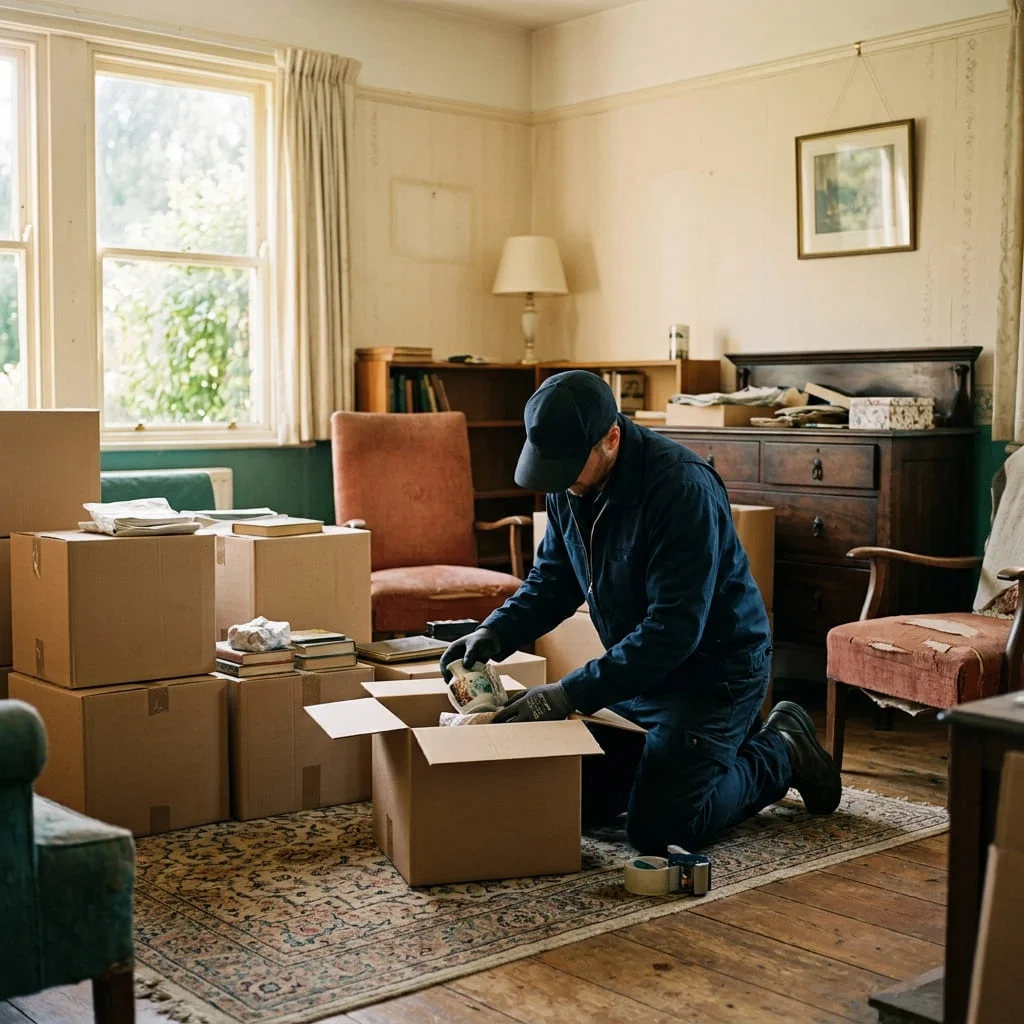
Hopkins is four square miles with a walkable Mainstreet and a housing mix unlike most of the west metro: a large share of the households here rent, and a great deal of that housing is mid-century apartment stock rather than single-family homes. Biohazard Cleanup MN covers Hopkins as part of our regular service area — hoarding cleanup first, with gross filth remediation, odor removal, estate clearing, and after-death care alongside it.
That mix changes who picks up the phone. In most of the cities we cover the caller is a homeowner or their adult child. In Hopkins a large share of calls come from property managers, building owners, and tenants themselves — and the hardest of those calls is the one where a tenant has died in a unit and nobody is certain what the landlord is allowed to do next.
Services in Hopkins
Hoarding cleanup leads — the rest follows as needed.
Hoarding and squalor account for most Hopkins calls, in owned homes and rented units alike. Where a death or an active biohazard is part of it, the same visit covers all of it.
- Hoarding Cleanup Flagship Compassionate, judgment-free clearing of hoarded homes — one room at a time. View details
- Unattended Death Cleanup Careful, discreet cleanup after a death that went undiscovered. View details
- Crime Scene Cleanup Thorough biohazard cleanup and restoration after a crime. View details
- Blood & Bodily Fluid Cleanup Proper decontamination of blood and bodily-fluid spills. View details
- Suicide Cleanup Gentle, private cleanup so families never have to face the scene. View details
- Gross Filth & Squalor Cleaning Deep cleaning and sanitizing of severely neglected living spaces. View details
- Estate Cleanouts Full property clearing when a home also needs biohazard care. View details
A unit is not abandoned because the tenant has died
A unit is not abandoned because the tenant has died, and that single
sentence prevents most of the expensive mistakes made in this
situation. The instinct after a death in a rental is to clear it, get
it cleaned, and re-let — the rent has stopped and the unit is
unusable. But the belongings inside did not stop belonging to
somebody.
They belong to the estate. Which means the cleaning and the clearing
are two different jobs with two different sets of permissions, and
running them together is what turns a sad situation into a legal one.
Here is roughly how the pieces divide. This is general information
about how these situations usually work in Minnesota, not legal
advice, and anything with real money attached belongs in front of an
attorney.
| The thing in question | Where it usually sits |
|---|---|
| The belongings in the unit | The estate, not the landlord and not the building. Furniture, clothing, papers, a vehicle in the lot, and anything else the tenant owned passes to their estate the moment they die. A landlord who clears a unit because the rent stopped can end up answering for the value of property that was never theirs to remove. Wait for the personal representative, or for written direction from whoever the court appoints. |
| Rent for the rest of the lease | Ordinarily a claim against the estate rather than against the family. A lease does not die with the tenant, and relatives are not automatically liable for it simply for being relatives — unless they co-signed, guaranteed, or were themselves on the lease. This is one to put to an attorney rather than settle by phone, on either side. |
| The biohazard cleanup itself | Usually the property owner, sometimes the estate, occasionally split. Where a death went undiscovered and the unit needs decontamination, that cost is rarely the county’s and never the medical examiner’s. Who ultimately carries it depends on the lease, the estate’s assets, and what the building’s policy covers — so get the scope in writing early, because it is the document both sides will argue from. |
| The security deposit | Governed by Minnesota’s deposit statute and owed to the estate, less lawful deductions. Deposits are small next to a decontamination bill, and treating one as though it covers the cleanup is how disputes start. Itemise, document, and account for it the way the statute requires. |
| Access to the unit | Narrower than most landlords expect. A right of entry for inspection and repair is not a right to clear the unit out, and a family member with a key is not automatically the person with authority. We will walk a Hopkins unit, photograph it, and produce a written scope for whoever needs it — that part harms nobody and helps everybody. |
The practical version is short. Decontaminate now, clear later, put everything in writing, and photograph the unit before anybody touches anything. A landlord who can show an itemised scope and dated photographs is in a good position with the estate, the insurer, and the next tenant alike.
Call (612) 493-2982Why an older apartment building complicates the cleaning
An older apartment building complicates the cleaning because almost
nothing in it stops at the unit door. Floor and ceiling assemblies are
shared, plumbing and electrical penetrations are rarely sealed well,
corridors carry air between units, and a mid-century building may run
returns in ways that move odor two floors from where it started.
So a Hopkins unit gets assessed at the building scale even when only
one apartment is affected: where the smell has actually reached, what
has gone through to the ceiling below, whether a shared system needs
attention, and what the neighbours have already noticed. Treating the
source and ignoring the path is the version that brings us back in a
month. Our
blood and bodily fluid cleanup
page covers how contaminated materials are handled, and
Spring Park goes further into
shared-building responsibility where an association is involved.
What a Hopkins cleanup involves
A Hopkins cleanup involves sorting first, then cleaning, then
verification, in that order and at whatever pace the situation allows.
Documents, photographs, keepsakes, medications, currency, and anything
of value are set aside and photographed rather than cleared into a
load — in a rental that step is not a courtesy, it is the part that
protects everyone involved.
Then the surfaces underneath are cleaned and decontaminated, pests are
addressed where present, affected materials are removed rather than
sealed over, and odor is neutralised at its source. Many cleanups of
this kind are covered in whole or in part by insurance depending on
the cause and the policy. See
hoarding cleanup for the
method in full,
unattended death cleanup
where a death went undiscovered,
estate cleanouts when the
estate is ready to clear the unit,
who pays for death and crime scene cleanup
for the money question in detail, and
the five levels of hoarding
if you are trying to describe what you are looking at. To talk it
through, call (612) 493-2982 any
time.
Coverage & response
Serving Hopkins, Minnetonka, and the Mainstreet corridor.
Response time
Call for availability. If the situation involves a death, an active biohazard, or a blocked exit, say so at the start of the call.
Who calls us here
Property managers and building owners, tenants calling about their own apartment, adult children arranging help for a parent, executors and estate attorneys, case workers, and homeowners in the single-family blocks north and south of Mainstreet.
Nearby communities
We cover all of Hennepin County and the six other metro counties. The nearest communities with their own pages are linked here.
Wayzata, MNExcelsior, MNMinnetonka, MN All Hennepin County & metro areas
Frequently asked
Hopkins questions, answered honestly.
A tenant died in one of my Hopkins units. Can I just clear it and re-let?
Not safely, and the reason is ownership rather than cleanliness. The belongings in that unit are the estate’s property, and a unit is not legally abandoned simply because the person who lived there has died. The usual sequence is that the medical examiner releases the scene, the estate names a personal representative, and clearing happens on that person’s direction — while the decontamination, which is about making the unit habitable rather than about anybody’s property, can normally proceed sooner. Biohazard Cleanup MN can walk the unit and give you an itemised written scope and dated photographs the same week you call, which is exactly what you will want on file either way. Call (612) 493-2982 and talk it through before you move anything.
How long does an apartment decontamination take, and will other tenants know?
A single unit is usually a matter of days rather than weeks, and how much the building notices is mostly a question of planning rather than speed. Vehicles are unmarked, nobody wears branded clothing, materials are bagged inside the unit rather than carried out loose, and work is scheduled around the building’s quiet hours where the property allows it. In an older Hopkins walk-up the honest constraint is the stairwell and the shared corridor, so the route out is agreed with the manager before anything starts.
The smell has reached the units next door. Is that our problem too?
Once odor has crossed into a neighbouring unit it is a building problem, not just a unit problem, and pretending otherwise usually costs more later. Odor travels through shared floor and ceiling assemblies, through common plenums and returns, and through the gaps around plumbing and electrical penetrations that older buildings are full of. Treating only the source unit and leaving a neighbour with a sealed-over smell is the version that generates the second complaint. Our page on gross filth and squalor cleaning covers how affected materials are removed rather than masked.
I am the tenant. My place has got out of hand and I am afraid of being evicted.
That call is welcome and it is more common than you think. Nobody who answers this line is going to lecture you, and we do not report anything to a landlord, a building, or the city — we are not obliged to and it is not our business to. A great many Hopkins situations get resolved quietly before they ever become a notice, and early is always cheaper and calmer than late. Call (612) 493-2982, describe it in your own words, and we will tell you what the work would actually involve. Our guide on the five levels of hoarding is a gentler place to start if you would rather read first.
Not sure what you are allowed to do next?
Describe the unit and we will tell you what is involved, what it is likely to cost, and how soon we can be there.