
Hennepin County
Hoarding and biohazard cleanup in Wayzata, Minnesota.
Discreet cleanup for Wayzata homes on and off the lake — hoarding, odor removal, gross filth, estate clearing, and after-death care. Unmarked vehicles, plain clothing. Call us.
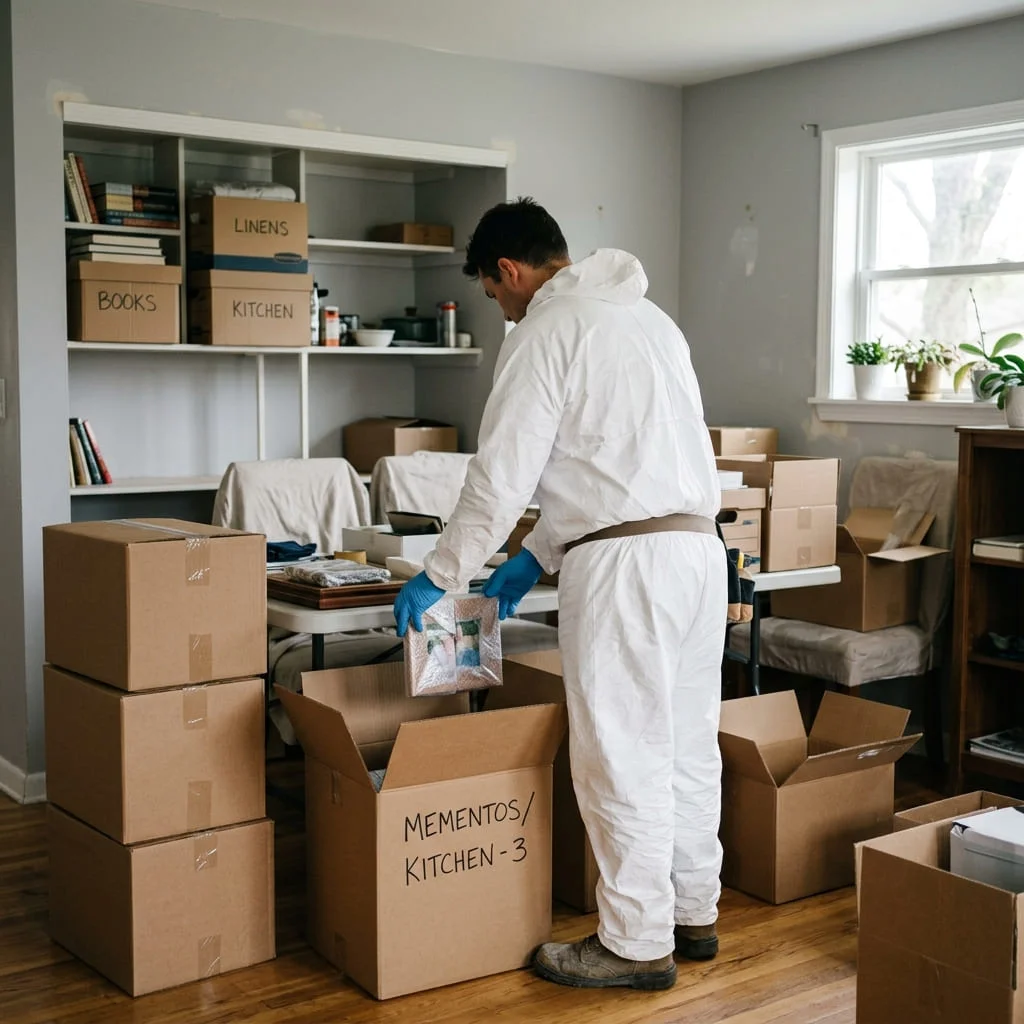
Wayzata is a small city with a very large front door. Fewer than five thousand people live here, but the downtown, the lakewalk, and the shoreline see a constant stream of everybody else, and a good share of the housing stock belongs to people who are not in it year round. Biohazard Cleanup MN covers Wayzata and the north shore of Lake Minnetonka as part of our regular service area — hoarding cleanup first, with odor removal, gross filth remediation, estate clearing, and after-death care alongside it.
Which means a distinctive share of the calls from here are not about a house somebody is living in. They are about a house that has been closed up: a seasonal property opened in May, a home whose owner has been in care since December, a property standing empty since a death, or one a caretaker has just walked into and found something wrong. The question those callers ask is not how bad it is. It is how much of the house is still there.
Services in Wayzata
Hoarding cleanup leads — the rest follows as needed.
Hoarding and squalor account for most Wayzata calls. Where a death, an active biohazard, or a full estate clearance is part of it, the same visit covers all of it.
- Hoarding Cleanup Flagship Compassionate, judgment-free clearing of hoarded homes — one room at a time. View details
- Unattended Death Cleanup Careful, discreet cleanup after a death that went undiscovered. View details
- Crime Scene Cleanup Thorough biohazard cleanup and restoration after a crime. View details
- Blood & Bodily Fluid Cleanup Proper decontamination of blood and bodily-fluid spills. View details
- Suicide Cleanup Gentle, private cleanup so families never have to face the scene. View details
- Gross Filth & Squalor Cleaning Deep cleaning and sanitizing of severely neglected living spaces. View details
- Estate Cleanouts Full property clearing when a home also needs biohazard care. View details
What a closed-up house does to itself
A closed-up house does most of its damage quietly, and it does it to
materials rather than to surfaces. Nothing dramatic happens in an
empty Wayzata home. Air stops moving, humidity settles, a temperature
swing puts moisture somewhere it does not belong, and whatever was
left behind gets months of undisturbed time to work into the floor
rather than sit on it.
That is why an honest number for this kind of job cannot be given over
the phone in two minutes. There are four things that have to be
established first, and every one of them changes the scope more than
the square footage does.
Before anyone quotes a house that has been shut
How long has it actually been shut?
How long the house has been shut changes almost everything that follows. A few weeks closed up is a cleaning problem. Six months is a materials problem, because moisture, odor, and anything organic have had time to move out of the room they started in and into the floor, the drywall, and the ductwork. Nobody can tell you what a Wayzata property needs without that number first, and an estimate given without asking for it is worth very little.
Was the heat on, and was the water left on?
Heat and water together decide what kind of job this is. A Minnesota house held at fifty-five degrees through a winter with the water shut off and the lines drained usually comes back fine. A house where the furnace failed in January, or where the water stayed on and a supply line let go behind a wall in February, is a different property by spring. Ask whoever was checking on it, and if nobody was, say so — it is a normal answer here and not one anyone will judge you for.
What was left in it that could spoil?
A refrigerator or a chest freezer that lost power is the most common reason a closed-up lake house needs professional help rather than a cleaner. The odor from a failed freezer is not a smell sitting in the air — it is in the appliance, the flooring under it, the cabinet run beside it, and often the subfloor. Pet food, garbage left in a bin, and anything in a garage refrigerator belong on the same list.
Who is allowed to let someone in?
Somebody has to have the authority to open the door, and it is not always the person who found the problem. A caretaker, a housekeeper, a property manager, or a neighbour with a key can let us in to look when the owner asks them to. Where the owner has died, that authority sits with the personal representative once the court appoints one, not with the first relative to arrive. We will walk a property and put a written scope together while that is being sorted out — we just will not start clearing until somebody with the standing to say yes has said it.
One honest limit: none of this is a mold inspection or a structural assessment, and we will not pretend otherwise. Where a property needs one, the right answer is an independent assessor, not a cleanup company selling the remedy.
Call (612) 493-2982Why the caretaker is often the one who calls
The caretaker is often the one who calls, and that creates a specific
awkwardness worth naming. A housekeeper, a property manager, a lawn
service, or a neighbour holding a key is frequently the first person
to see the inside of a Wayzata property, and they are usually calling
on behalf of someone they work for, sometimes without being sure
whether they should be calling at all.
That call is welcome, and it commits nobody to anything. We can look,
describe what is there, and put a written scope and photographs
together so the owner or the family can decide with real information
instead of a worried phone description. What we will not do is begin
work on somebody’s property because a third party thinks it needs
doing. Consent comes from the owner, or from whoever holds legal
authority for them. If you are the person who found it and you are
unsure who to tell,
call (612) 493-2982 and we will
talk it through with you first.
What a Wayzata cleanup involves
A Wayzata cleanup involves sorting first, then cleaning, then
verification — in that order, at whatever pace the household can
manage. Documents, titles, photographs, keepsakes, currency, jewellery,
and firearms are set aside for the owner or the executor rather than
cleared into a load, and anything ambiguous is photographed and asked
about rather than guessed at. On a property that has stood empty that
step matters more, not less, because the person who could have told us
what mattered is often not there to ask.
Then the surfaces underneath are cleaned and decontaminated, affected
materials are removed rather than sealed over, and odor is treated at
its source. Many cleanups of this kind are covered in whole or in part
by homeowner’s insurance depending on the cause and the policy
language. See
hoarding cleanup for the
method in full,
estate cleanouts where a
whole property has to be cleared,
gross filth and squalor cleaning
where a home has gone years without upkeep,
unattended death cleanup
where someone has passed away at home, and
what hoarding cleanup costs in Minnesota
if you are trying to budget before you have a number in hand.
Coverage & response
Serving Wayzata, Orono, and the north shore.
Response time
Call for availability. If the situation involves a death, an active biohazard, or a blocked exit, say so at the start of the call.
Who calls us here
Owners of seasonal and second homes, caretakers and property managers, adult children arranging help for a parent, executors and estate attorneys, realtors ahead of a listing, and homeowners calling for themselves.
Nearby communities
We cover all of Hennepin County and the six other metro counties. The nearest communities with their own pages are linked here.
Long Lake, MNExcelsior, MNHopkins, MNMinnetonka, MN All Hennepin County & metro areas
Frequently asked
Wayzata questions, answered honestly.
The house has been closed up since last fall. Is the smell something that can be fixed?
Usually yes, and usually not by the thing most people try first. Odor in a house that has been shut for months is almost always a material holding it rather than air carrying it — a subfloor under a failed freezer, carpet pad, drywall behind a cabinet run, insulation, or the duct interiors. Ozone, foggers, and scented treatments mask that for a few days and then it comes back, which is why so many Wayzata callers reach Biohazard Cleanup MN after already trying them. The fix is finding and removing the material that holds it, then cleaning and sealing what is left. Call (612) 493-2982 and describe what you walked into.
My homeowner’s policy mentions vacancy. Does that affect a claim?
It can, and it is worth reading before you file rather than after. Most Minnesota homeowner policies contain a vacancy or unoccupancy provision that limits or excludes certain losses once a dwelling has been empty beyond a set period — commonly around thirty or sixty days, though it varies by carrier and by form. Seasonal and second homes are sometimes written differently, and some policies can be endorsed for it. We are not insurance advisers and we will not tell you what your policy does. What we will do is give you an itemised written scope and dated photographs, which is what an adjuster actually needs. Read your declarations page and ask your carrier directly.
Can this be done without the neighbours knowing?
In a town this size that is a fair thing to ask, and it is planned for rather than promised. Vehicles are unmarked and plain, nobody wears anything with a company name on it, materials are bagged inside the house rather than carried out loose, and the container — if the volume needs one — goes where it draws the least attention and stays the shortest time. On a tight Wayzata lot that sometimes means several smaller loads instead of one large container sitting for a week. Tell us what matters to you on the first call and the plan is built around it.
Someone died in the home and it was not found for a while. What happens first?
The first calls are not to us. In Minnesota an unexpected death at home is reported to 911, and the Hennepin County Medical Examiner decides whether the death falls under their jurisdiction; the property is not cleaned until they have released it. After that, the cleanup is the property owner’s responsibility rather than the county’s, which surprises most families. Biohazard Cleanup MN handles that work discreetly, and our guide on what happens after an unattended death in Minnesota sets out the sequence in full. If you are standing in it right now, call (612) 493-2982 and we will tell you what to do in the next hour.
Walked into something you were not expecting?
Describe the property and we will tell you what is involved, what it is likely to cost, and how soon we can be there.